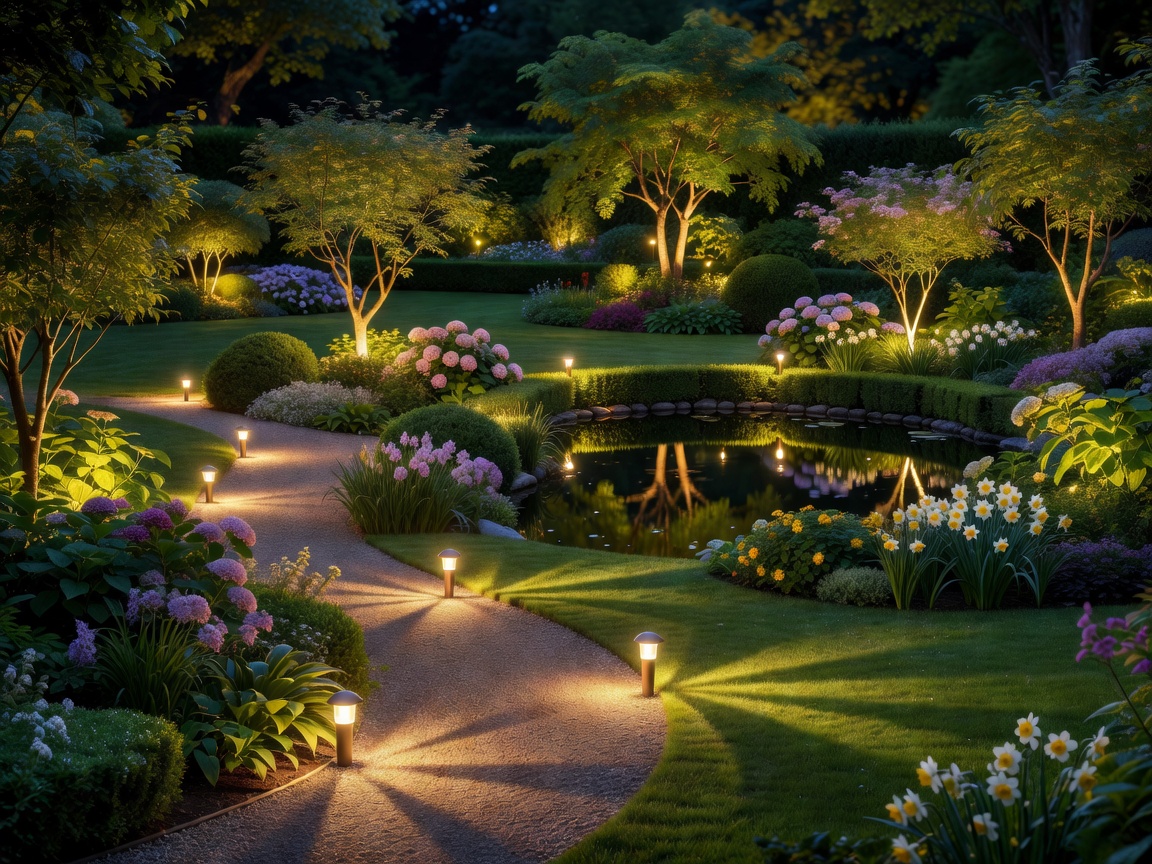
Service Introduction
Garden lighting is dedicated to highlighting the organic elements of an outdoor space. Rather than broadly lighting a whole yard, this service focuses on drawing attention to specific flower beds, shrubbery, borders, and garden structures. By strategically placing light within the vegetation, garden lighting creates a layered, textured view from the house or patio, transforming a dark expanse into a visually engaging nocturnal environment.
What the Service Involves
The process involves a careful review of the garden's layout, plant types, and seasonal changes. It includes selecting versatile fixtures such as adjustable spotlights for highlighting specific plants, wash lights for broad retaining walls, and soft border lights to define planting edges. The service requires planning an adaptable layout, as gardens are dynamic spaces where plants grow and evolve.
Suitable Applications
- Flower beds and low-level shrubbery.
- Retaining walls and terraced garden borders.
- Garden ornaments, statues, or water features.
- Seating nooks set within the garden landscape.
- Perimeter fences or boundary hedging.
Planning Considerations
A primary consideration in garden lighting is plant growth. Fixtures should be positioned with future growth in mind, utilizing adjustable spikes or mounts that can be relocated slightly as a shrub matures. Planning also involves creating focal points—deciding which specific element of the garden should draw the eye first, and balancing that with softer ambient light in the background.
Lighting Considerations
Softness is key in garden lighting. High-intensity beams can wash out the subtle colors and textures of foliage. Using lower lumen outputs with wider beam angles helps to gently wash a plant in light rather than create a stark spotlight effect. Considerations regarding color temperature are also important; slightly warmer lights often complement the natural greens and browns of a garden best.
Installation Considerations
Careful installation is required to avoid damaging existing root systems or irrigation lines. Cables are typically buried shallowly in the soil or hidden beneath mulch. The choice of fixture material (such as brass or high-grade aluminum) is critical to withstand constant exposure to soil moisture, fertilizers, and irrigation water without corroding.
Maintenance Considerations
Gardens are active environments, requiring regular adjustments to the lighting system. Maintenance involves cleaning lenses obscured by mud or hard water stains from sprinklers, repositioning fixtures that have been nudged by gardening tools, and adjusting angles to accommodate the changing shapes of growing plants.
FAQ
Modern LED fixtures emit very little heat, minimizing any risk of heat damage to foliage, even when placed relatively close to the plant base.
Consider the varying heights of the plants, the seasonal changes (e.g., deciduous vs. evergreen), and ensuring that the light source itself is concealed as much as possible to focus attention on the illuminated subject.