Service Introduction
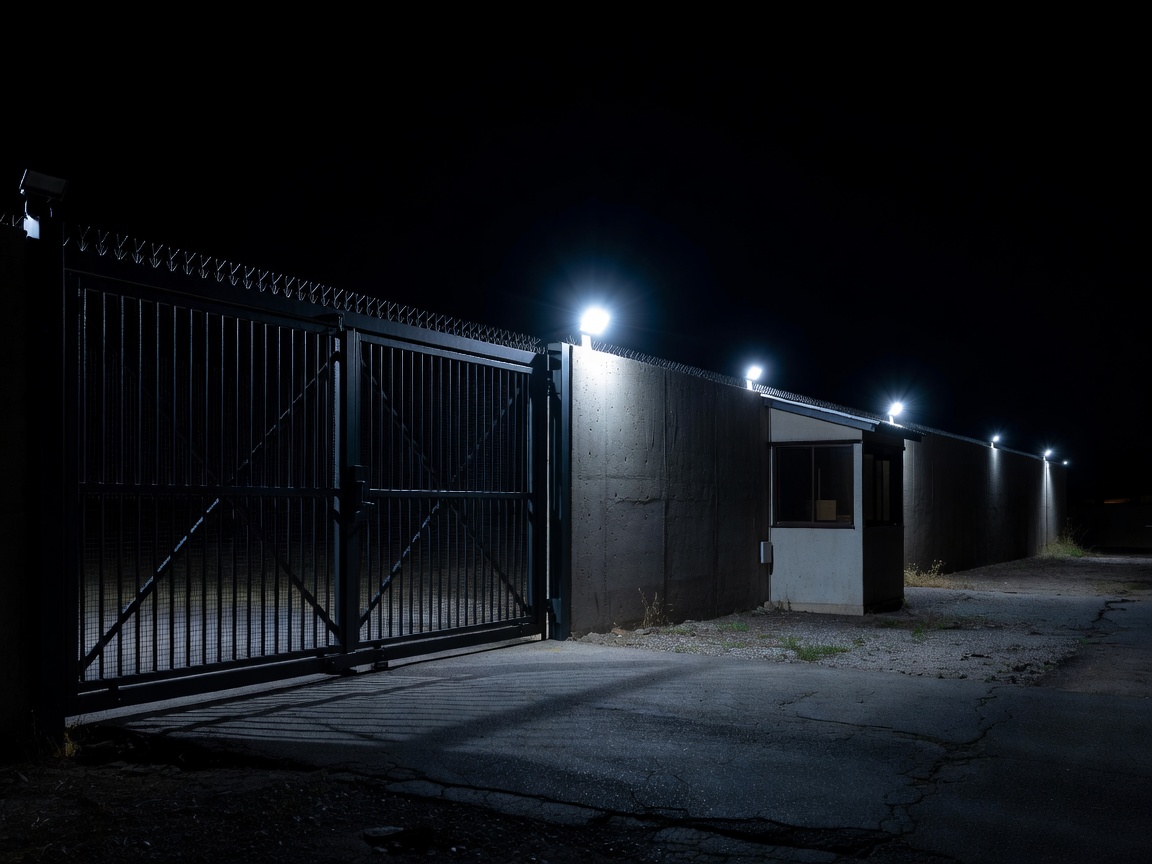
Security lighting is designed with functionality and visibility as the primary objectives. The goal is to illuminate dark zones around a property's perimeter, entrances, and access routes, allowing occupants to see clearly and reducing concealed areas. While it does not guarantee crime prevention, proper illumination is a fundamental aspect of general property safety and awareness.
What the Service Involves
This service includes a vulnerability assessment of the property exterior to identify blind spots. It involves selecting appropriate high-output fixtures, such as floodlights or wall packs, and integrating them with control systems like motion sensors or dusk-to-dawn photocells to ensure light is available when needed without unnecessary constant energy usage.
Suitable Applications
- Rear and side access gates or alleyways.
- Detached garages, sheds, and outbuildings.
- Commercial loading docks and staff entrances.
- Large, open expanses of property boundaries.
Planning Considerations
A critical planning aspect is avoiding light trespass—ensuring that high-intensity security lights do not shine directly into neighbors' windows or onto public roadways. Positioning fixtures high up on walls or eaves helps cast a broad light pool downwards while keeping the fixture out of easy reach.
Lighting Considerations
Security lighting often utilizes a slightly cooler color temperature for maximum clarity and contrast. The lumen output is typically higher than landscape or architectural lighting to ensure a wide area is brightly illuminated upon activation.
Installation Considerations
Fixtures must be securely mounted and wired to ensure reliability. Sensor placement is crucial; motion sensors must be calibrated to detect human movement within a specific range without being triggered continuously by small animals or blowing branches.
Maintenance Considerations
Regular testing of motion sensors and photocells is necessary to ensure they operate correctly. Cleaning lenses is also important, as dirt buildup can significantly reduce the output and effectiveness of security fixtures over time.
FAQ
No, many systems utilize motion sensors to activate only when movement is detected, or they can be set on timers to operate during specific hours of the night.