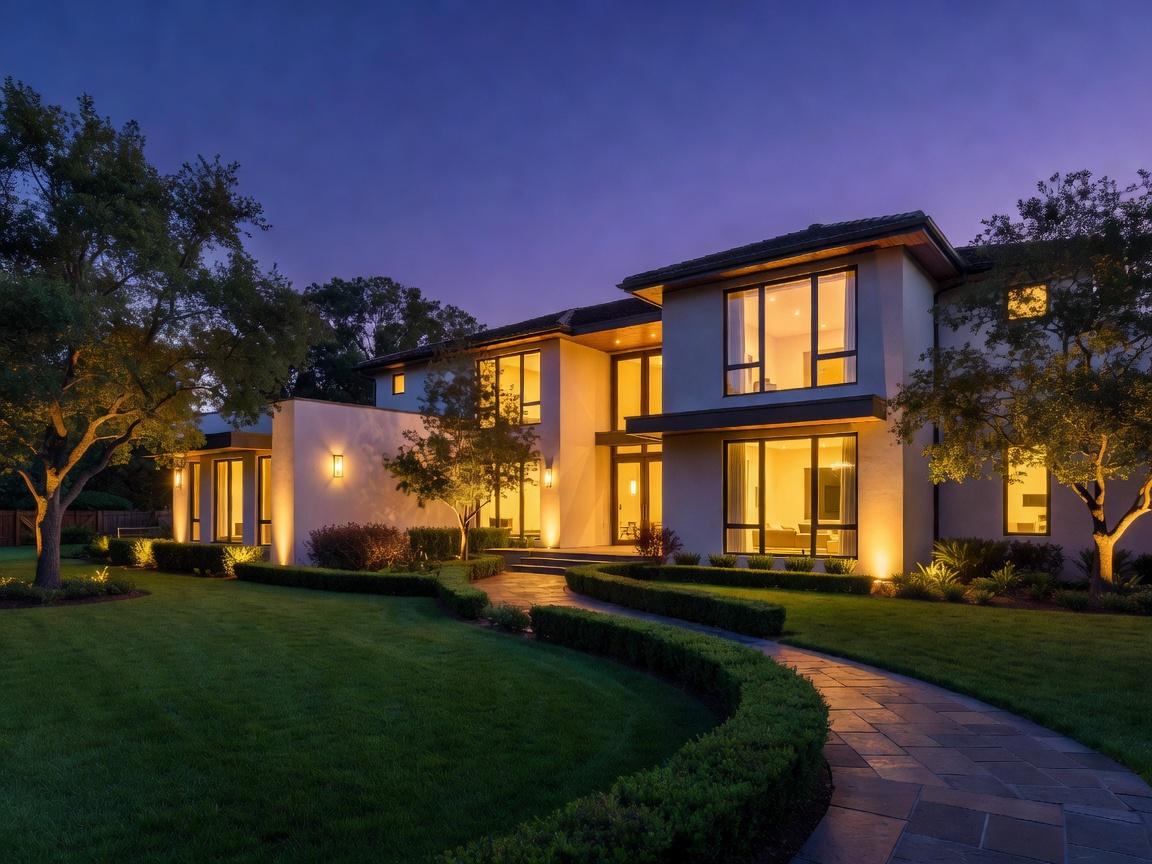
Service Introduction
Residential outdoor lighting focuses on thoughtfully illuminating private properties, entrances, and adjacent outdoor spaces. The goal is to bridge the gap between architectural presence and practical evening usability. By addressing the exterior of a home, residential lighting improves visibility for occupants and visitors while subtly accentuating the character of the property structure itself.
What the Service Involves
This service encompasses the planning, selection, and placement of lighting fixtures around a residential footprint. It involves identifying key architectural features, primary access routes, and outdoor living zones that require illumination. The process includes evaluating power sources, selecting appropriate fixture styles that complement the home, and configuring the layout to provide balanced, non-intrusive light coverage across the property exterior.
Suitable Applications
- Front facades and main property entryways.
- Rear elevations facing gardens or patios.
- Wrap-around porches and exterior transitions.
- Attached garages and immediate perimeter walls.
- Balconies and second-story exterior elements.
Planning Considerations
Effective residential lighting planning requires understanding the home's layout and the routines of its inhabitants. Considerations include identifying the darkest areas that need practical visibility, respecting property boundaries to avoid light spill into neighboring homes, and determining the appropriate scale of fixtures relative to the house size. Assessing existing electrical infrastructure is also a critical early step.
Lighting Considerations
The choice of light temperature and intensity is paramount. Residential settings generally benefit from warmer color temperatures to create a welcoming environment, as opposed to harsh, cool industrial tones. The layering of light—combining ambient wash lighting on walls with directional lighting at doors—creates depth. Controlling glare is crucial to ensure the lighting is pleasant to view from both the street and from inside looking out.
Installation Considerations
Installing residential lighting involves coordinating with the property's exterior materials, whether brick, timber, or render. Cable routing must be discreet and protected from weather elements. Fixtures must be securely mounted to withstand local wind and weather conditions in Uri. The installation process is structured to respect the existing property finish while ensuring robust electrical connections.
Maintenance Considerations
To maintain performance, residential fixtures require periodic cleaning to remove dirt and insect debris that can obscure output. Checking seals for water ingress and ensuring that mounting brackets remain tight are standard maintenance practices. Depending on the system, occasional bulb replacement or sensor adjustment may be necessary to adapt to changing seasonal daylight hours.
FAQ
It typically covers the immediate exterior of the home, including facades, porches, attached garages, and main entry doors, aiming to connect the interior living space with the immediate outdoors.
Yes, outdoor lighting can be planned for existing residential properties. The approach involves identifying accessible power routes and selecting surface-mounted or minimally invasive fixture options.